Search Enterprise or @FordOnline
Please remove special characters

The Road to Recovery: Helping Save the African Penguin

Apr 24, 2026

There’s a particular kind of silence that settles over Algoa Bay, along South Africa’s Eastern Cape coastline, at sunrise. It’s broken only by the rhythmic crash of waves and, if you’re lucky, the unmistakable bray of an African penguin echoing across the water. But in recent years, that sound has been fading.

On World Penguin Day, 25 April, it’s worth reflecting on how close we are to losing one of Africa’s most iconic seabirds, and how, through partnership and purpose, we can still change that story.

Click to Enlarge

A species on the brink

African penguins are more than charismatic coastal residents. They are a vital indicator species, offering a window into the health of our marine ecosystems. When penguin populations decline, it signals deeper trouble beneath the surface.

Once numbering in the millions, African penguins are now critically endangered. Their survival is under pressure from dwindling fish stocks, changing ocean conditions, pollution and increasing disturbance from shipping activity near breeding colonies.

In Algoa Bay, home to the St Croix and Bird Island colonies that support a significant portion of South Africa’s African penguin population, the stakes are high.

"Once numbering in the millions, African penguins are now critically endangered.”
Lynda du Plessis
Ford Wildlife Foundation Co-Ordinator

When the nests fall silent

This year, SANCCOB, dedicated to reversing the decline in seabird populations in South Africa, has seen record numbers of abandoned eggs arrive at its centres. The reasons are stark.

Adult penguins are struggling to find food, forcing one parent to stay away from the nest for too long. In other cases, extreme heat drives adults to abandon their eggs to save their own lives. Climate change and food shortages are taking a visible toll.

When eggs are left behind, SANCCOB’s rangers monitor the colonies closely. Once permission is granted, these eggs are carefully rescued and transported for artificial incubation, giving them a chance at survival.

In the Eastern Cape, flooding events have added to the crisis. In one instance, 46 chicks were rescued after nests were washed away, separating them from their parents and leaving them with no safe place to return to.

Without intervention, many of these chicks and eggs would not survive.

Where conservation meets commitment

This is where partnerships matter. The Ford Wildlife Foundation’s role is to enable conservationists to do what they do best. Across Southern Africa, we support 29 environmental projects, providing not only funding but also essential mobility through the Ford Ranger Double Cab 4x4.

In Gqeberha, this partnership carries added meaning. The city is home to Ford’s engine plant and marks the beginning of Ford’s journey in South Africa more than a century ago. Today, that legacy continues with the Ford Ranger, proudly built in South Africa and deployed in service of conservation.

The Ranger in action

From the outside, it may look like just another vehicle. On the ground, it becomes something far more.

It transports rescued chicks and eggs from remote island colonies to safety. It supports rapid response to injured or oiled seabirds along the Eastern Cape coast and it keeps daily operations moving reliably and efficiently in challenging conditions.

For SANCCOB, that matters. Every resource saved on logistics can be redirected towards feeding, veterinary care, and rehabilitation.

When working against the clock, reliability is essential.

The human chain of care

Vehicles support the work, but people drive conservation. On Bird Island, SANCCOB’s seabird monitors are often the first responders, working with SANParks to assess and stabilise birds before transport. That early intervention improves survival rates significantly.

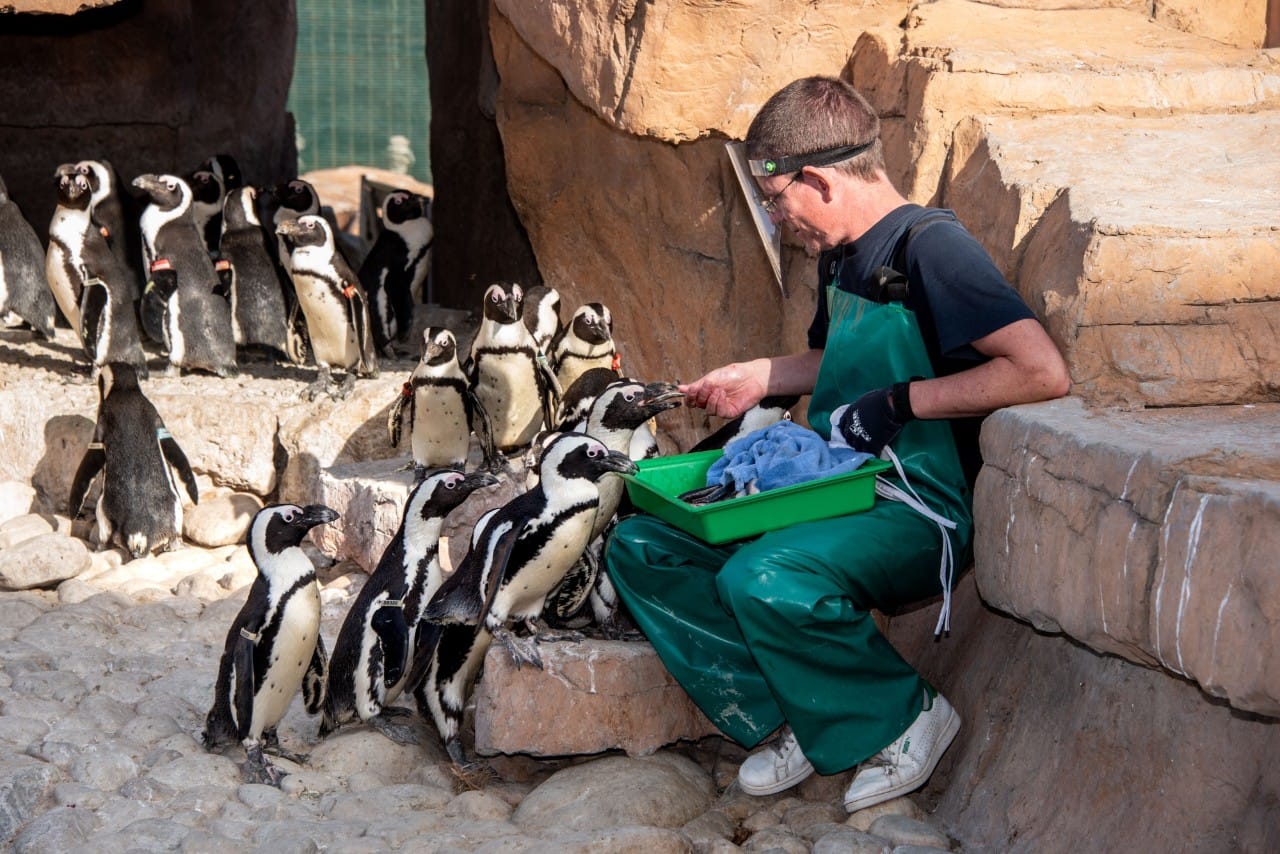
At the Gqeberha centre, dedicated staff, interns, and volunteers take over, providing everything from critical medical care to round-the-clock feeding.

It is meticulous, demanding work. And it never stops. SANCCOB operates 24 hours a day, 365 days a year, and has saved more than 100 000 seabirds to date, with over 80 percent of rehabilitated penguins successfully released back into the wild.

Rescue and rehabilitation are only part of the story. Education plays a crucial role in long-term conservation. At the Cape Recife facility, visitors can experience the work firsthand and learn about the challenges facing seabirds. Conservation is not just about saving animals. It is about changing human behaviour.

A future worth fighting for

As World Penguin Day reminds us, the story of the African penguin is still being written. The challenges are significant, but so is the dedication of those working to protect them. From the islands of Algoa Bay to the rehabilitation centre in Gqeberha, every egg rescued, every chick raised, and every bird released is a step toward recovery. And sometimes, the road to conservation is exactly that. A road we are proud to travel together.