Search Enterprise or @FordOnline
Please remove special characters

“Only by Helping is There Hope”: A Post-00s Ford Owner’s Real-Life Rescue Story An Unexpected Incident on the Road

Jun 15, 2026

点击链接阅读中文版:“救了才有希望”:一位00后的救援实录

On May 18, at 1:51 AM, in Suzhou, less than two kilometers from the train station, Xi Yucheng was transiting as planned. His next stop was Hangzhou, and his schedule for the day was packed.

Suddenly, a sharp "clack" echoed from nearby. He realized instantly: a car accident had occurred. He quickly raised his phone and zoomed in. Through the lens, he saw someone lying on the ground, seemingly seriously injured.

At this moment, there were less than 40 minutes left before his train's departure. A brief moment of hesitation crossed his mind: if he went to help, he might miss his train; but if he didn't, what if the onlookers didn't know first aid?

Click to Enlarge

He chose to step forward.

At the scene, the victim was lying on their side, with half of their body trapped under an electric scooter. The victim's head was bleeding heavily, and they were unconscious.

He first moved the scooter aside and called 120 (emergency services). Guided by the dispatcher, he adjusted the victim’s body position, checked their breathing rate, and cleared blood from their nasal passages to help restore breathing.

About two minutes later, the victim regained consciousness. Highly agitated, the person tried to sit up. Xi used his strength to hold them steady, preventing further injury.

At 2:23 AM, the ambulance arrived. With only 12 minutes left before his train was scheduled to depart, Xi found a delivery rider who rushed him to the station.

In those brief 20 minutes, Xi had completed a tense first-aid rescue and rushed to catch his train. Once on board, he began to review the incident, using an AI tool to log the victim's condition, his rescue steps, and his own mental state.

He wanted to know how he could do it faster and better next time. "I wasn't practiced enough this time. I still hesitated for a second. Next time, I shouldn't even think twice—just run up and move the heavy object off them."

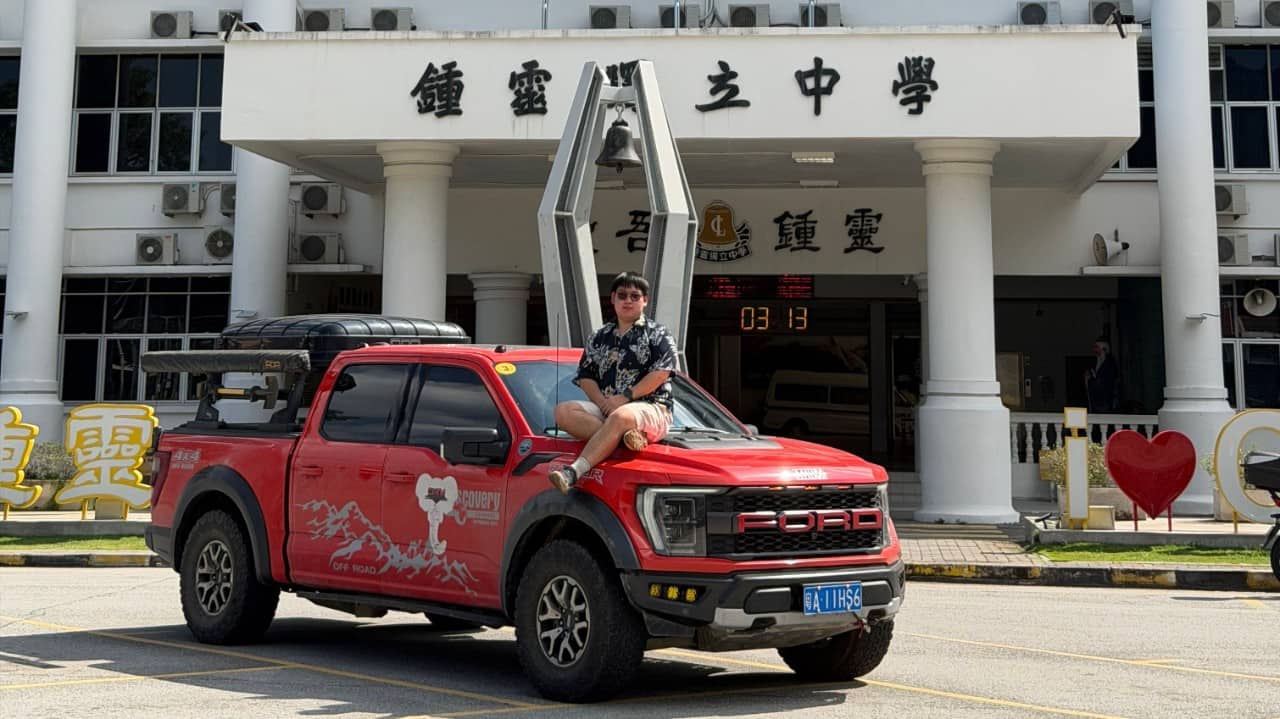
Xi and His Ford F-150 Raptor

The 23-year-old Xi Yucheng is a Ford F-150 Raptor owner. He has been passionate about cars since his teenage years and chose "Automotive and Engine Science" as his undergraduate major.

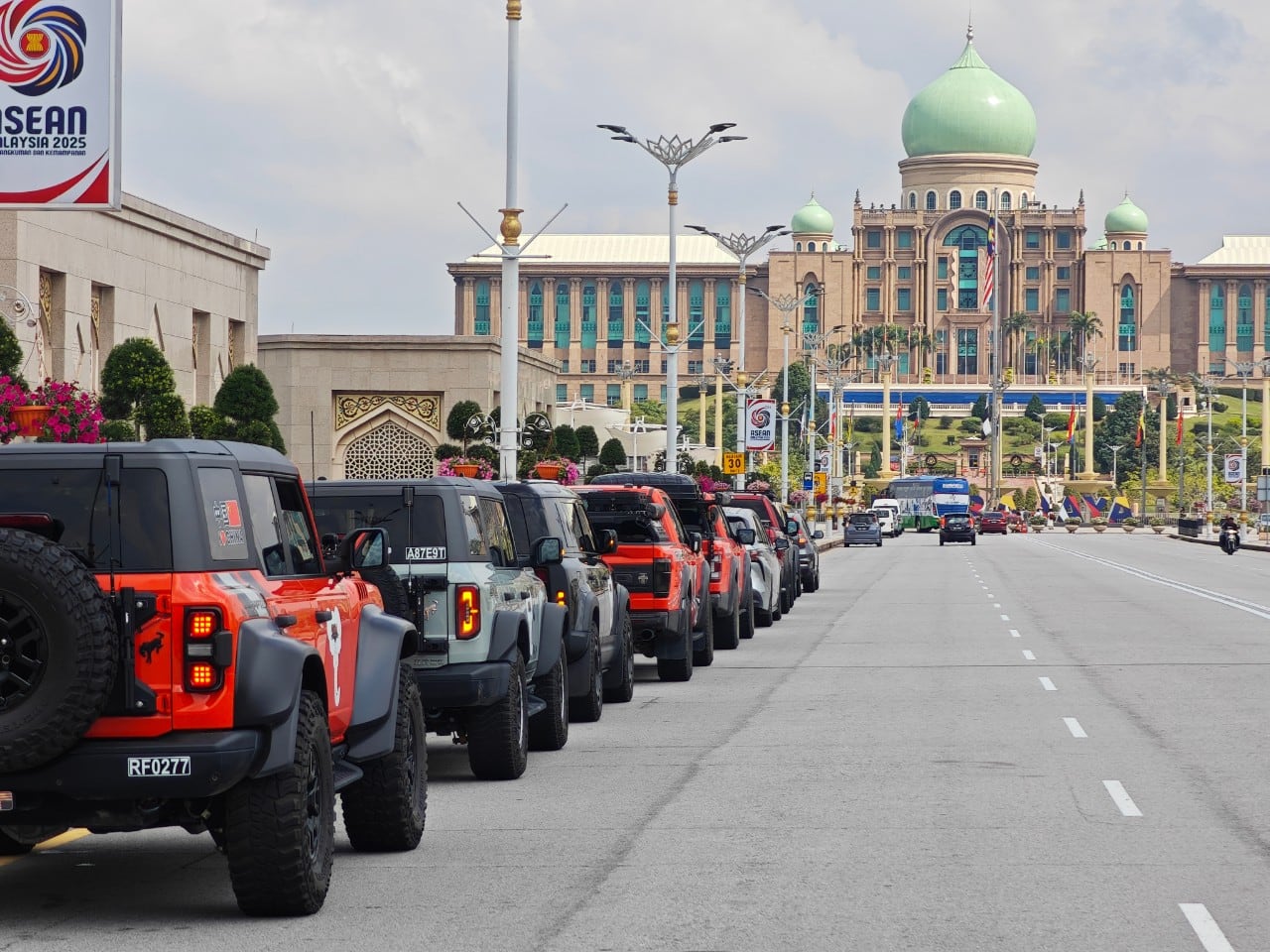
Loving cars and understanding their mechanics, Xi is also an avid outdoor off-road enthusiast. His F-150 Raptor has accompanied him across China, from Xinjiang to Tibet, as well as through multiple regions in Southeast Asia.

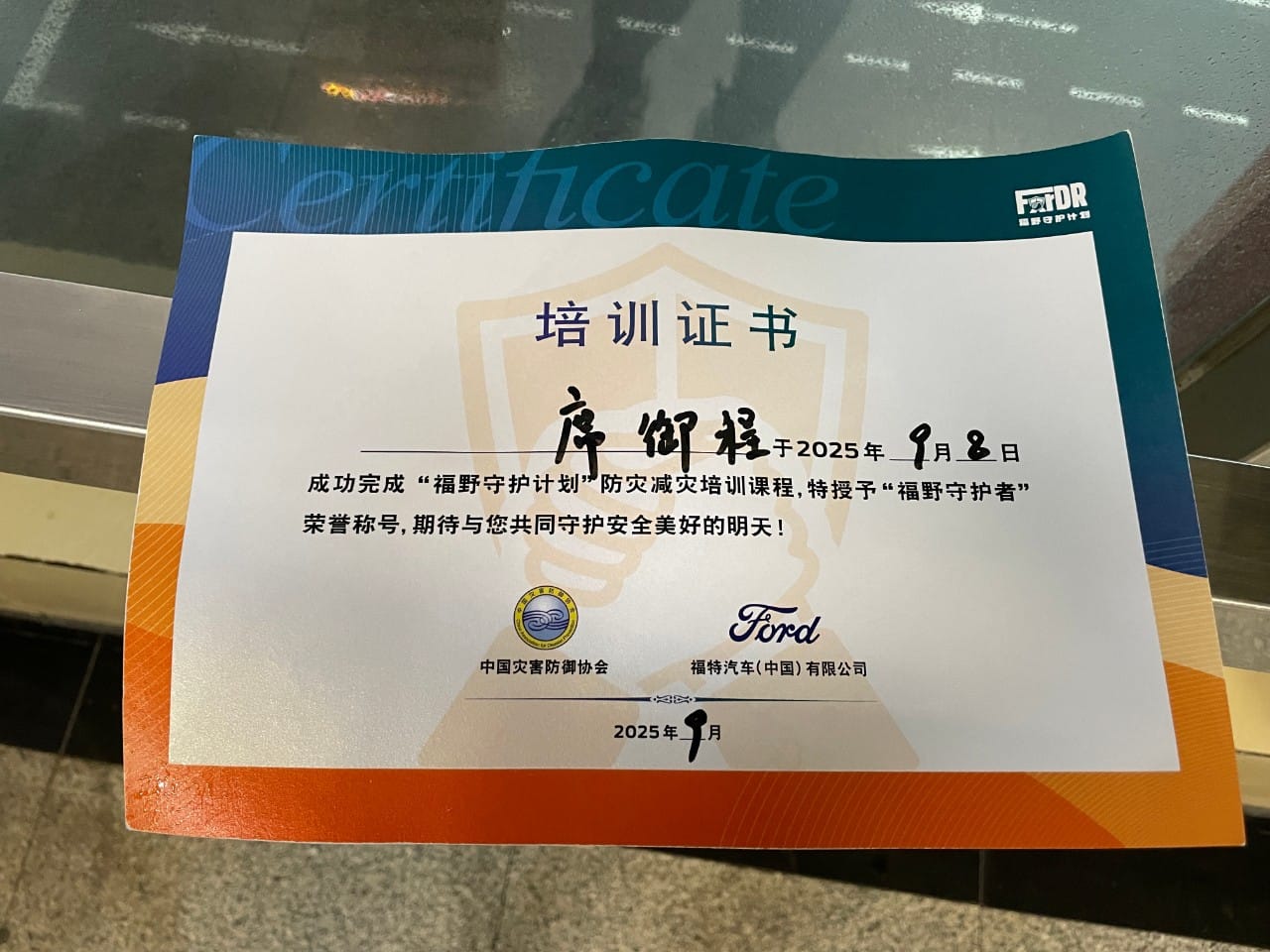
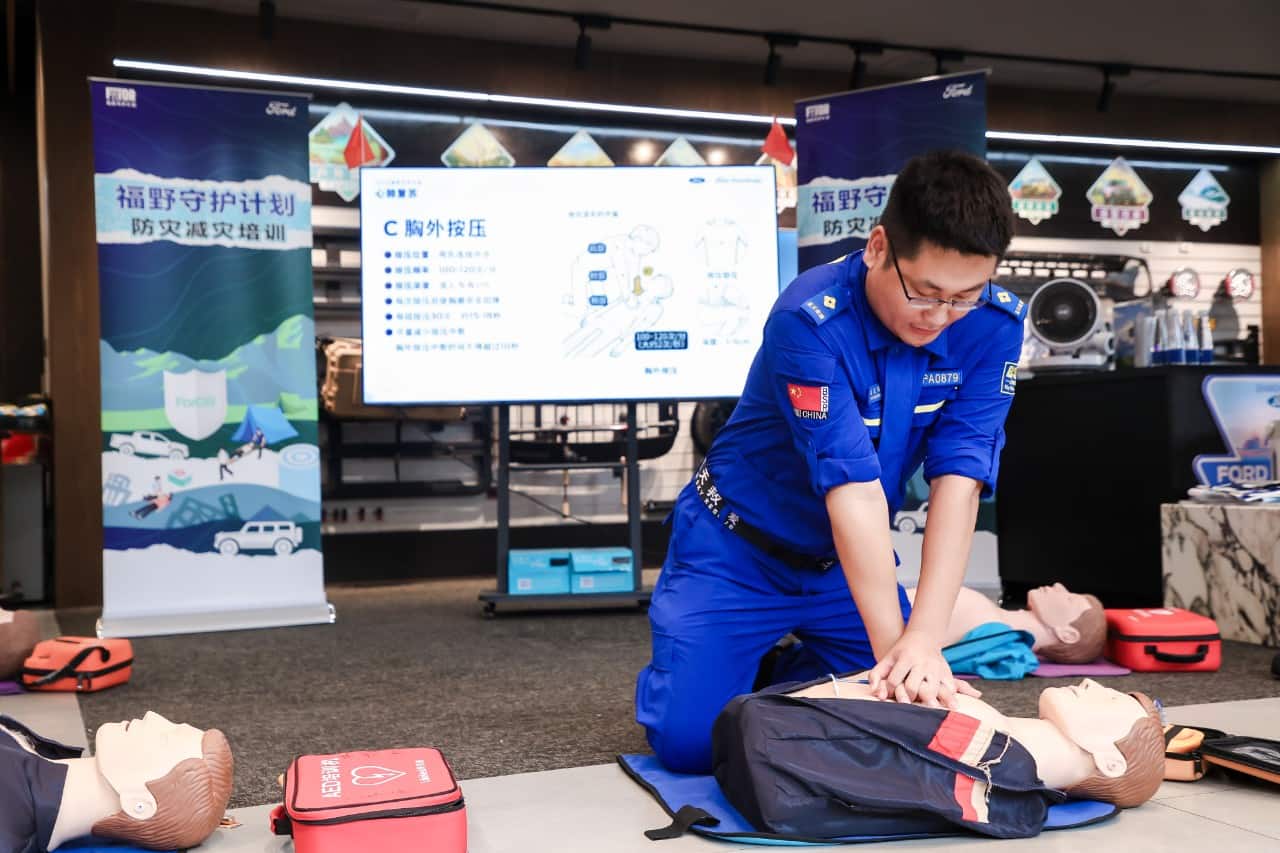
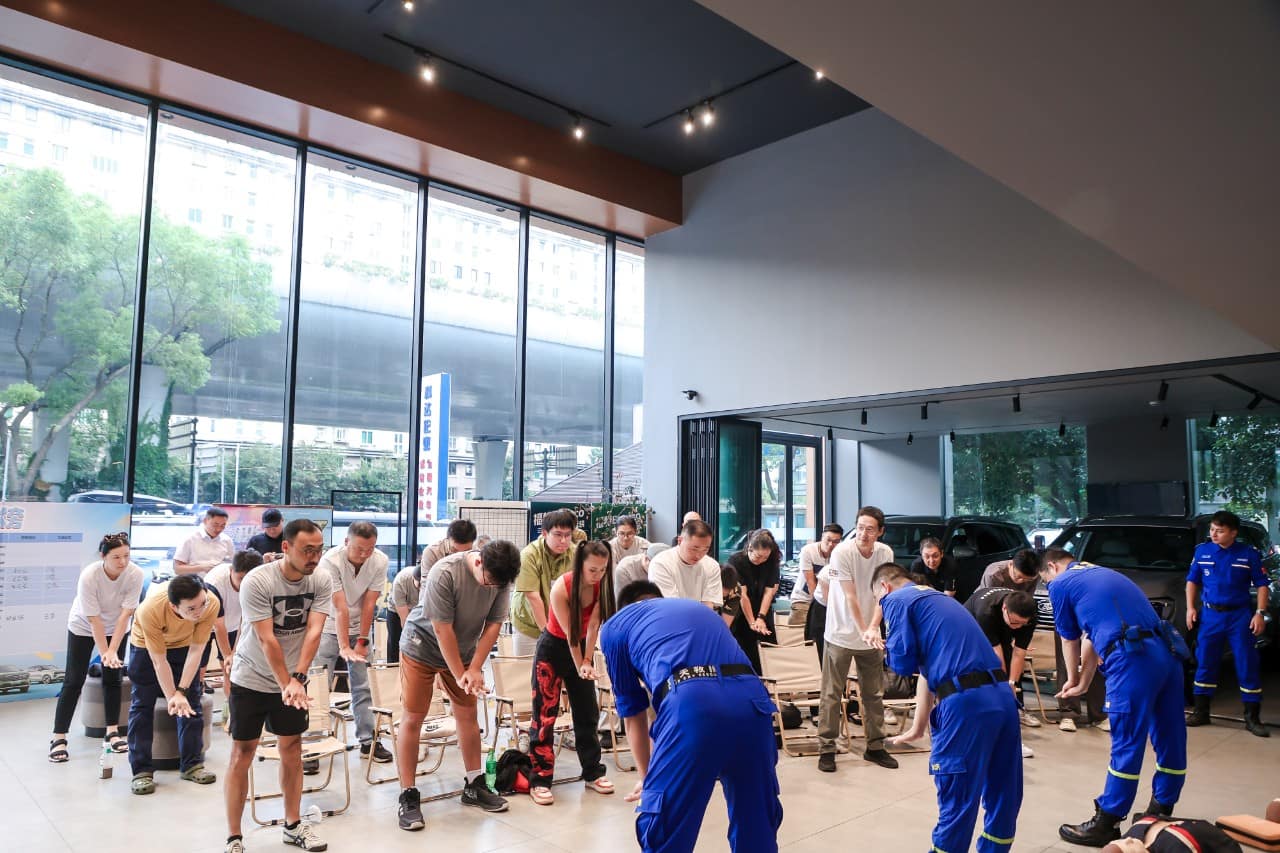
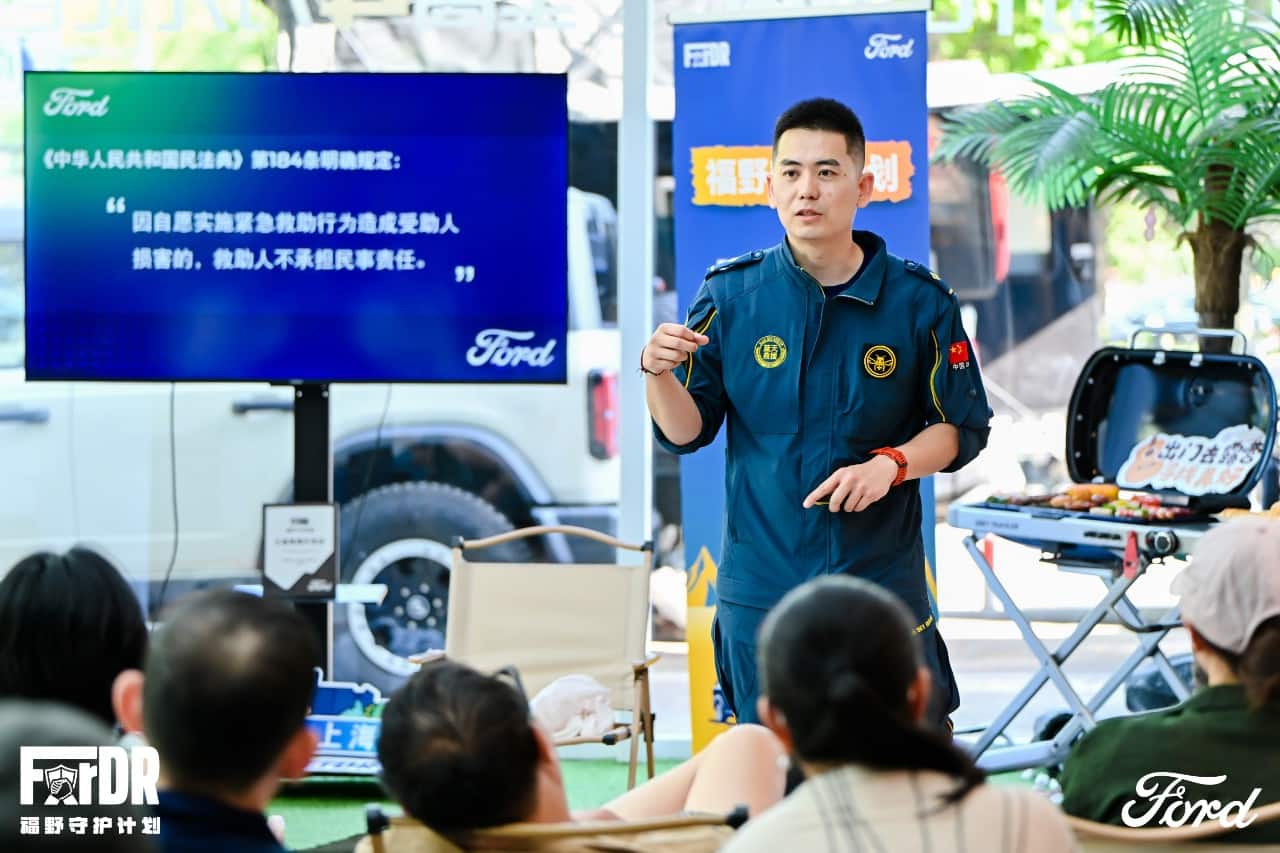
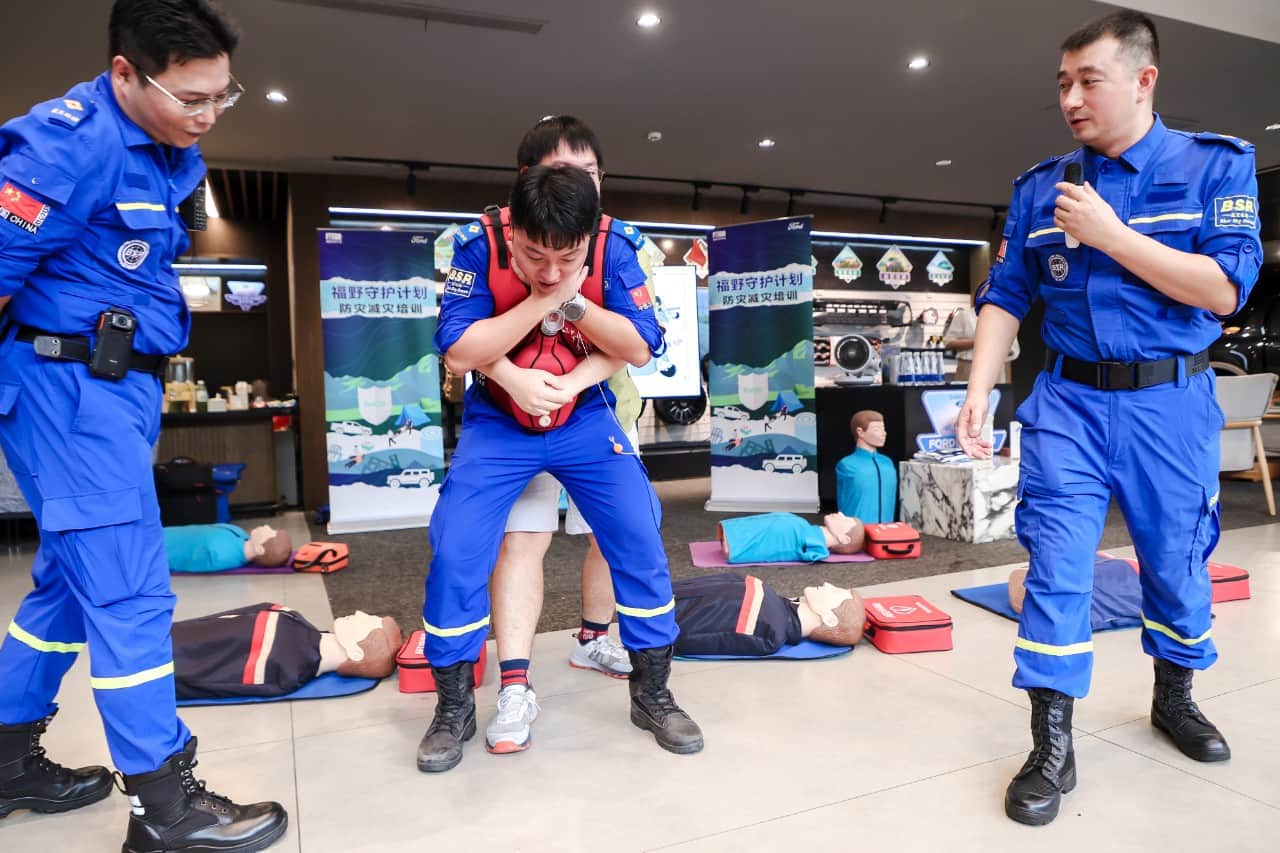
Last September, as a Ford owner, Xi participated in the disaster prevention and mitigation training of ForDR (Ford’s CSR initiative). There, he learned basic first-aid skills from professional rescue instructors. During this roadside incident, as he ran toward the victim, the key steps rushed through his mind: the compression rate and depth for CPR, how to open the airway...

“Hope Comes from Action”

The original purpose of the ForDR program's disaster prevention and mitigation training stems from a key observation: when disasters and emergencies strike, many Ford owners spontaneously drive their highly capable vehicles to assist in rescue efforts. To support this, the project invites professional rescue instructors to provide owners with training in first aid, disaster response, and vehicle safety.

While traveling with Ford convoys, Xi noticed a common attitude among Raptor owners: "With great power comes great responsibility." For instance, when encountering local villagers whose vehicles were stuck in poor road conditions abroad, many owners would proactively use their winches, tow ropes, and recovery boards to help them out.

There was also a poignant personal reason behind Xi's participation in the ForDR training. "A friend of mine once suffered from acute laryngeal edema in Tibet. Because no one around knew first aid, they unfortunately passed away. So when I saw the recruitment for our training mentioning professional rescue instructors, I signed up immediately."

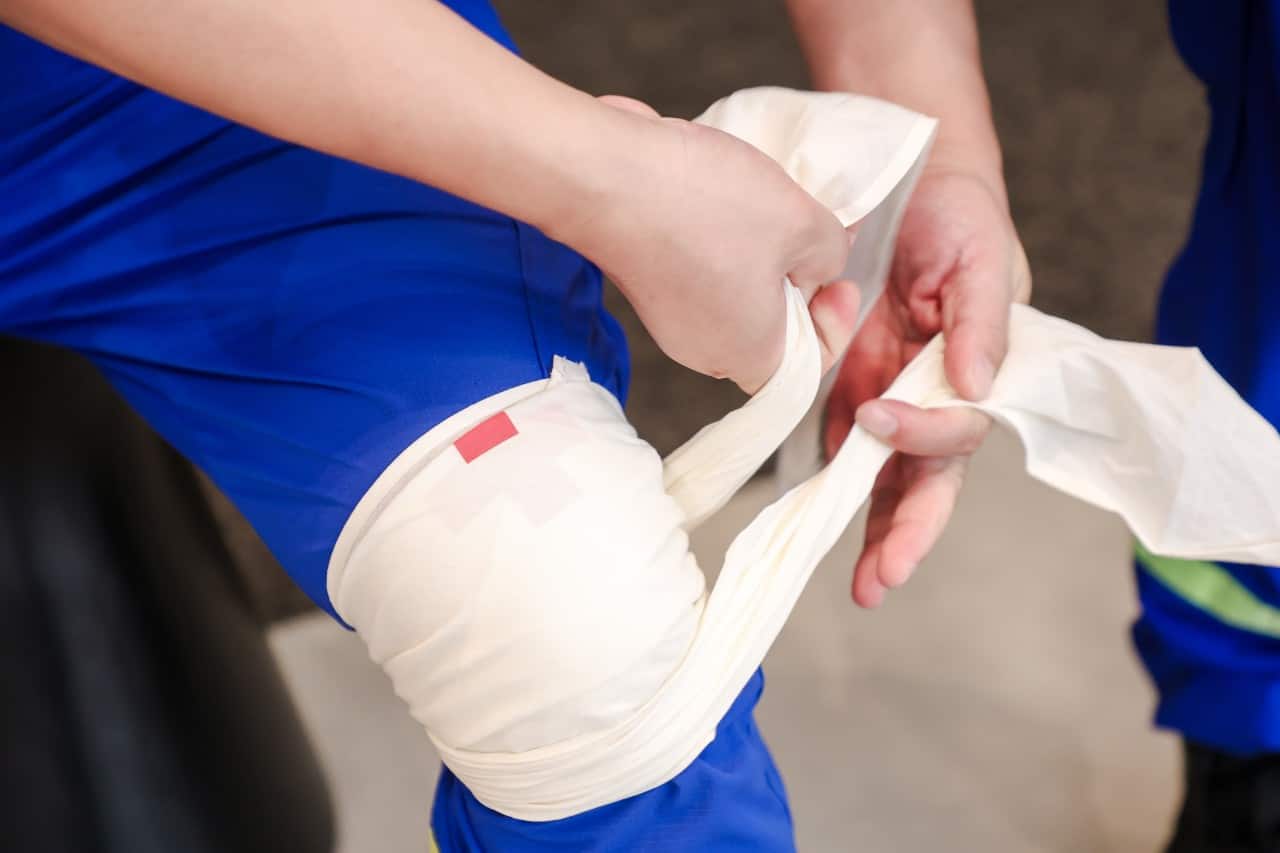
In class, he actively practiced CPR, AED usage, the Heimlich maneuver, and trauma bandaging. After the training, he repeatedly demonstrated these skills to his family and friends.

It was this constant practice that gave him the courage to step forward and administer first aid during this roadside emergency.

The Bystander's Dilemma

During the rescue in Suzhou, Xi also noticed that although there were quite a few onlookers, no one stepped forward to help, nor did anyone call 120. Later, some who heard about the story commented, "You did a great job helping, but don't do it next time."

Xi felt a sense of helplessness regarding this attitude. He understands that people are still influenced by past news stories of good Samaritans being extorted or falsely blamed.

However, he recalled what the instructors emphasized during last year's training: China has enacted the "Good Samaritan Law" (Article 184 of the Civil Code), which legally protects individuals who render emergency assistance, ensuring they do not have to worry about civil liability. This serves as a vital safeguard that allows people to help others with peace of mind.

"Just be brave and help. Don't be afraid of taking responsibility or doing it imperfectly. Only by helping is there hope."